May 2026 marked Google's pivot to agentic AI with Gemini 3.5 and Omni models. The company rolled out proactive features across Search, Android, health tracking, and new hardware designed specifically for these capabilities.
Google didn't just announce AI at I/O 2026—they used Gemini, Nano Banana, and experimental models to build the entire event. The real story isn't the technology; it's how the creative process fundamentally changed.
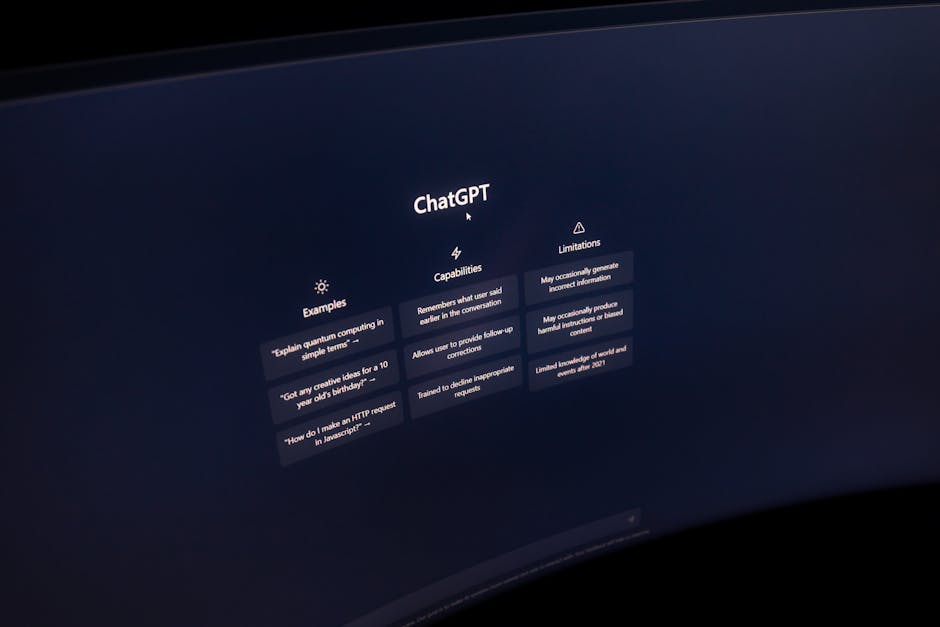
After testing Claude, ChatGPT, and Gemini across 500+ prompts, one AI assistant clearly dominates for most users. ChatGPT-4 wins overall with the best balance of capability and speed, but Claude 3.5 Sonnet takes the crown for coding and complex reasoning.
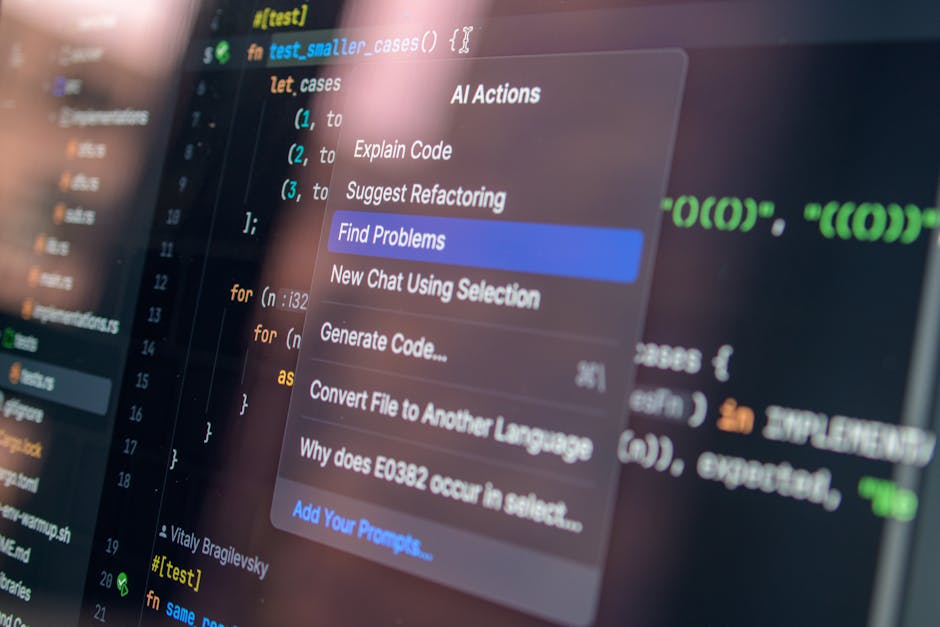
Google AI Studio's new Antigravity coding agent lets non-developers build functional applications through natural language prompts. A Google editor with no coding background built a working I/O 2026 quiz to demonstrate the capability.
Google unveiled Gemini Omni, a multimodal model that generates and edits video through natural language, alongside Gemini 3.5 Flash, designed for complex agentic workflows. Both models are rolling out to consumers and developers with significant implications for content creation and enterprise automation.
Google's new Gemini 3.5 Flash model is matching or beating flagship models from OpenAI and Anthropic in several benchmarks—while delivering tokens 4x faster at a fraction of the cost. The performance gap between 'fast' and 'frontier' models is closing.